2 Feb 2026
Quiet hours are a mute-rate instrument
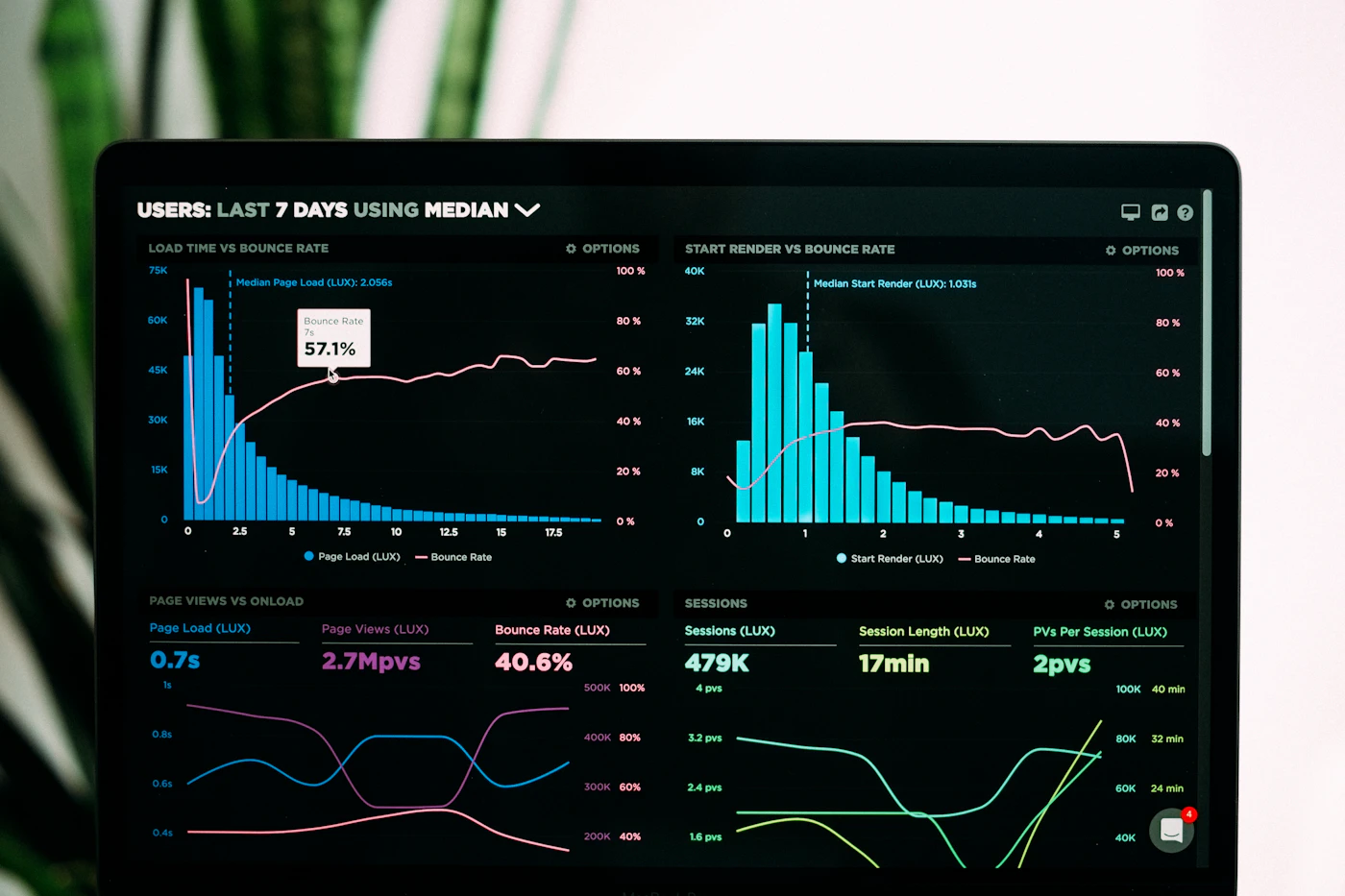
Brand guidelines love a sunset photograph and a sentence about “respecting evenings.” Mute graphs are less photogenic and more honest. If people disable you between 21:00 and 23:30, your quiet hours are in the wrong place, however elegant the policy PDF.
We teach a simple pairing: for each message family, plot mute and disable against hour-of-week for sixty days. Then draw the suppression window over the same axis. Where the window misses a mute spike, the policy is theatre. Where it covers a spike but also covers a genuine incident channel, you have over-suppressed and need a split, not a wider night.
Open rate during a bad hour can look healthy because the people still subscribed are night-shift or anxious. That is not permission. Notification Timing Optimization in this studio treats mute as a product event with an owner, the same way an incident has a commander.
A limitation we say out loud: many stacks sample mute poorly. If you cannot see disable-by-hour, we still write quiet hours from civil time and support tickets. It is weaker evidence. Pretending the dashboard exists does not make the window scientific.
Helen’s red-pen test is a sentence a solicitor can skim: “We do not send promotional or billing nudges to GB recipients between 21:00 and 07:30 local, except for security events listed in appendix B.” If your team cannot say that without a footnote war, you are not ready to automate the hold.